
Follow Me On Social Media!
8 minute Small Batch Apricot Jam Recipe

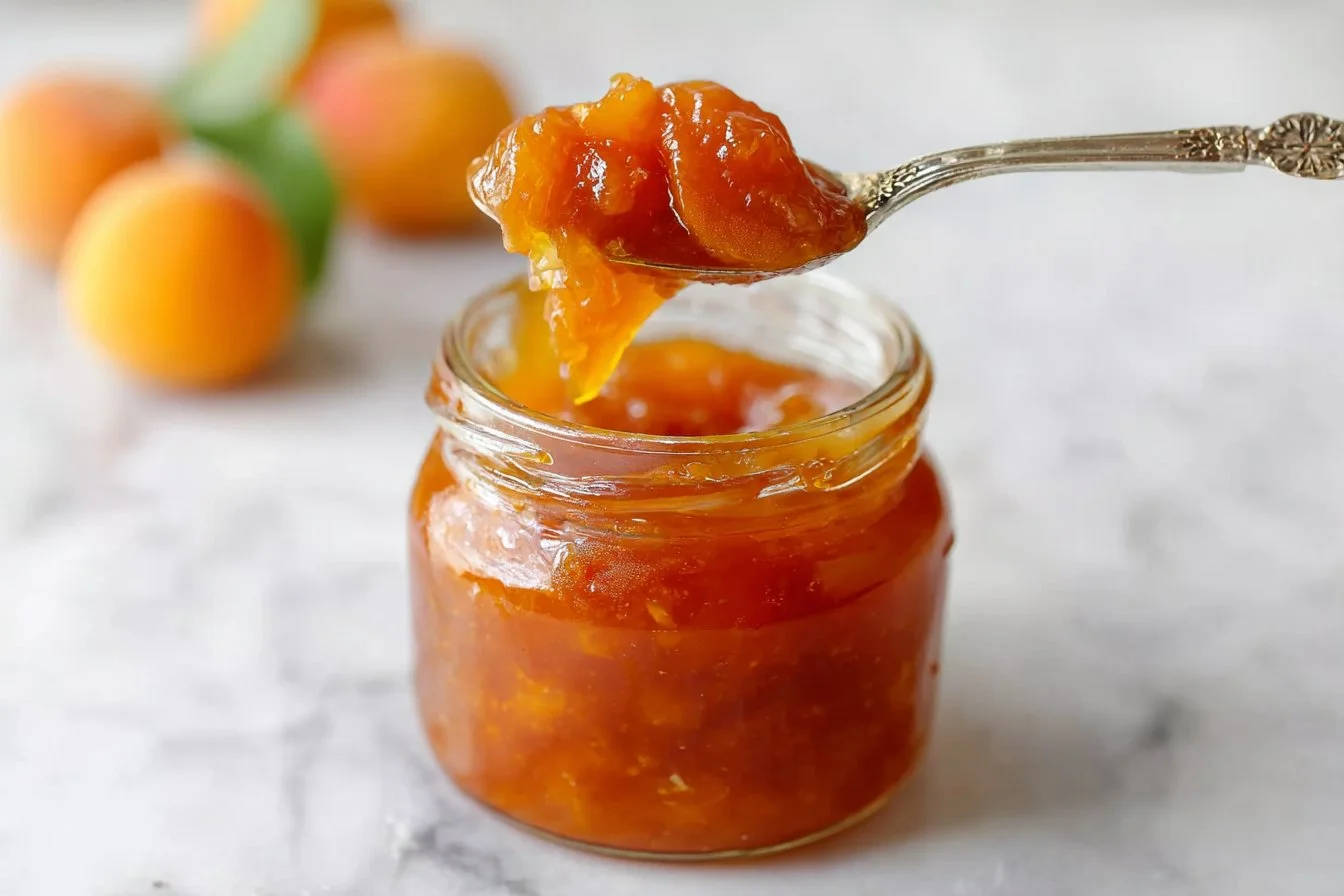
A Delightful Homemade Apricot Jam Experience
Nothing brings the joy of summer into your kitchen quite like the aroma of freshly made apricot jam. As the sweet scent fills the air, it transports you to sun-drenched orchards, where ripe apricots hang heavy on their branches. This 8-minute small batch apricot jam recipe is not only quick and simple, but it also preserves the vibrant flavor and natural sweetness of fresh apricots in a delicious spread. Whether you plan to enjoy it on warm toast, as a filling for pastries, or as a topping for yogurt, this jam is sure to become a staple in your household.
Jam-making can often appear daunting, but this recipe demystifies the process, making it accessible to everyone—regardless of skill level. With only a few ingredients and minimal equipment, you can create a beautifully rich, homemade jam that’s far superior to store-bought varieties. Plus, making your own apricot jam means you can adjust the sweetness to your liking and control what goes into your food.
The Joy of Making Apricot Jam
One of the main reasons to make your own apricot jam is the unmatched taste. Nothing compares to the burst of flavor that comes from cooking down fresh, ripe apricots into a silky, sweet spread. You get to experience the satisfaction of transforming whole fruit into a luscious preserves that can be savored year-round. Additionally, homemade jam makes for a thoughtful gift, letting your friends and family enjoy a taste of summer even in the colder months.
Another compelling reason to try this small batch recipe is the time efficiency it offers. With just a quick eight minutes of cooking, you can whip up a jar of jam that bursts with flavor and nostalgia. This makes it a perfect project for those who want to explore the world of jams without a significant time commitment. It’s also a great way to use up any apricots that may be getting overly ripe at home.
Understanding the Cooking Technique
This simple recipe for apricot jam relies on the principle of high heat and quick evaporation to preserve and enhance the flavor of the fruit. Using a wide, shallow pan facilitates the rapid cooking process, allowing moisture to evaporate swiftly and enabling the jam to set properly within such a short timeframe. It’s the perfect example of how technique can make a difference in the kitchen—something that even novice cooks can master with a bit of practice.
Furthermore, incorporating the right amount of sugar and acid—like lemon juice or liqueur—helps balance the natural sweetness of the apricots, enhancing the overall flavor profile of the jam. This simple chemistry is what allows the jam to gel and achieve the perfect spreadable consistency.
Tips for Successful Preparation
Before jumping into making your apricot jam, it’s essential to gather all your ingredients and equipment. Make sure you have a wide, shallow pan, a digital thermometer for precise temperature control, and clean jars for storage. Taking the time to prepare will ensure a smoother cooking experience.
It’s also important to pick ripe apricots. Look for fruits that yield slightly to gentle pressure, as these will provide the best flavor and texture. If you’ve never worked with fresh apricots before, be sure to remove the pips and cut them in half to maximize their surface area for cooking.
Ingredients You Will Need
- 700 grams ripe apricots (the whole fruit weight), then remove the pips and cut them in half
- 1 cup sugar
- 2 Tbsp lemon juice or orange liqueur such as Grand Marnier or Cointreau
Important Notes on Ingredients
When selecting apricots, aim for fruits that are firm yet ripe. Underripe apricots may lack the natural sugars required for a proper jam, while overripe ones may break down too much during cooking. You can also consider substituting some of the sugar with honey or agave syrup if you prefer a more natural sweetener.
If you’re not keen on using liquor, the two tablespoons of lemon juice will add the necessary acidity to help the jam set while preserving the flavor of the fruits. If you’re feeling adventurous, you can experiment with flavored liqueurs that complement the apricot notes.
Step-by-Step Cooking Instructions
Put all the ingredients into a wide, shallow pan. Turn the heat to high. Once the mixture starts to bubble, set a timer for 8 minutes. Cook the jam, stirring almost constantly for this time. The jam is at the set point when it reaches 105 °C on a thermometer. The wider the pan, the better, as this facilitates quick evaporation and thus quicker setting. If you do not have a thermometer, and to test if the jam is ready, freeze a side plate for 5 minutes. Drop a dollop of jam on the cold plate. Run your finger through the middle. If the jam stays apart and doesn’t immediately join back together, it’s set enough.
If you want to preserve this jam for a longer period in your pantry, boil the storage jar in a large pot of water, remove and drain. Scoop the hot jam into the jar, allowing a 2 cm gap between the jam and the lid and seal. Place the sealed jars back into the boiling water, fully submerged for 10 minutes. You should hear your lid make a popping sound. This is when it is properly sealed. Remove the jam bottle from the pot, drain and allow to cool.
Tips for Perfecting Your Jam
To ensure your jam sets correctly, always keep an eye on the heat level and adjust it as necessary. If you find that the mixture is bubbling too vigorously, consider lowering the heat slightly to avoid burning. Additionally, consistent stirring helps prevent sticking and promotes even cooking.
If you find yourself unsure if the jam is ready, relying on the cold plate test is a reliable method. This visual method gives a quick insight into whether or not your jam has reached the desired consistency.
Serving Your Apricot Jam
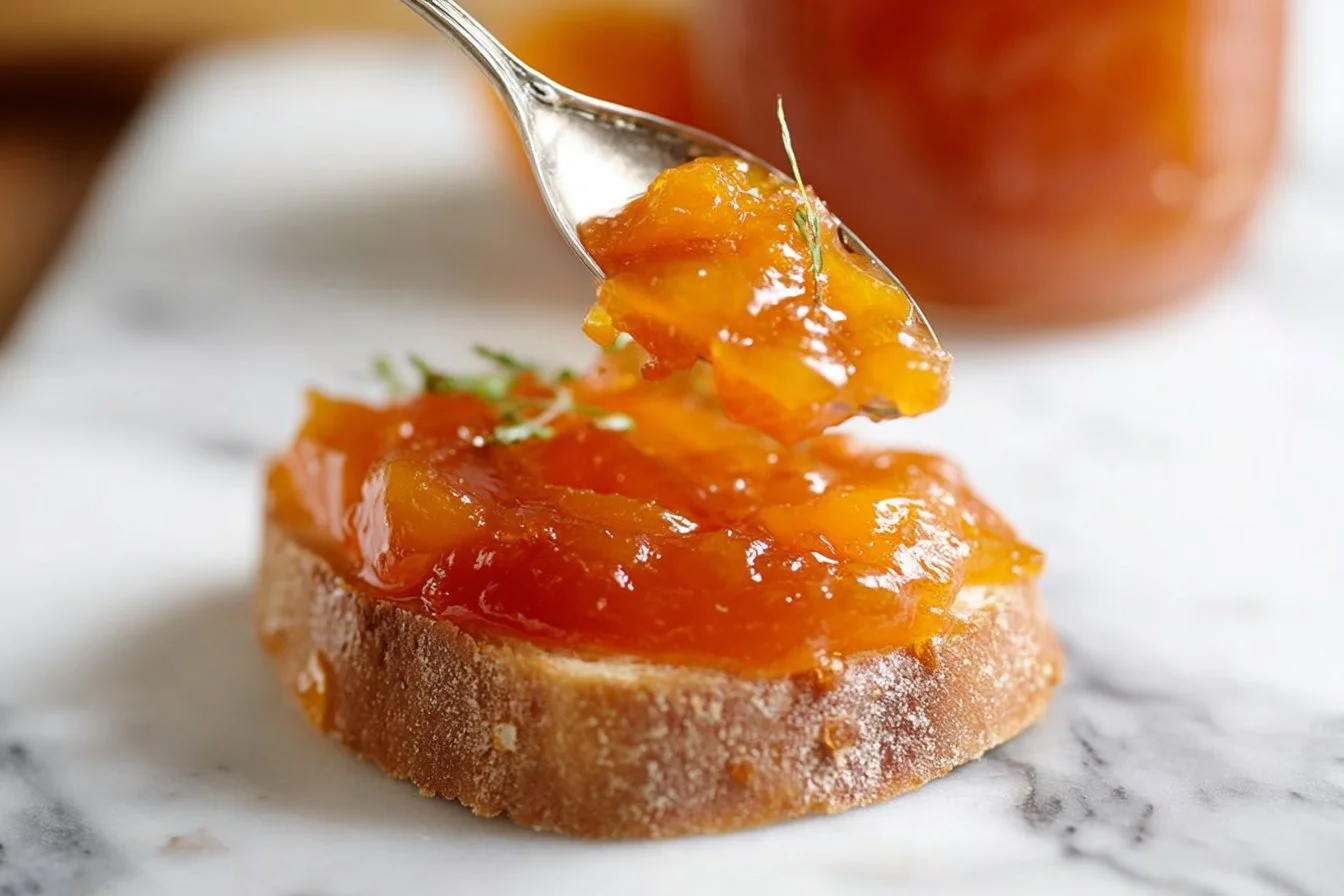
Once your jam has cooled and set, it’s time to enjoy it! This apricot jam is ideal for spreading on warm bread, English muffins, or even pancakes for a sweet breakfast treat. It can also be used as a filling for various pastries or topped on yogurt for a delightful mid-day snack.
Another exciting serving suggestion is to pair the jam with cheese—especially soft, creamy cheeses like brie or goat cheese. The sweet notes from the apricot jam contrast beautifully with the richness of the cheese, creating a balance that’s simply irresistible.
Proper Storage and Reheating Guidance
Store your sealed jars of apricot jam in a cool, dark place, such as a pantry or cupboard. If correctly sealed, your homemade jam can last up to a year. However, once opened, it’s best to refrigerate and consume it within a few weeks for optimal freshness.
If you need to reheat the jam for any reason—perhaps for use in baked goods or as a sauce—you can gently warm it in a saucepan over low heat, stirring carefully until it reaches the desired consistency.
Essential Kitchen Equipment
A few critical tools will enhance your jam-making experience. A wide, shallow pan is crucial, as it promotes evaporation and ensures even cooking. A digital kitchen thermometer can provide precise temperature readings, making sure your jam reaches the ideal setting point.
Lastly, don’t forget clean jars for storage; they must be sanitized beforehand to prevent spoilage. A ladle will also come in handy for transferring hot jam into jars without mess.
Creative Variations to Explore
Feel free to get creative with this recipe! Instead of using just apricots, you could introduce other fruits to create a mixed fruit jam. Peaches or plums blend wonderfully with apricots and can add a new dimension to the flavor profile.
For those who love a bit of spice, consider adding a pinch of ground ginger or cinnamon to give your jam a warm and comforting twist. And if you’re looking to make a more tangy version, increasing the lemon juice slightly will provide that desired zing.
Nutritional Breakdown
Apricot jam is not only delicious but can also be a relatively healthier alternative to other spreads. It contains vitamins A and C from the apricots and can be lower in calories than many store-bought options. However, be mindful of the sugar content, as it can contribute to its overall caloric value, particularly if you prefer a sweeter jam.
Frequently Asked Questions
Can I use frozen apricots?
Yes, you can use frozen apricots! Just ensure they’re thawed and drained before using them in this recipe, as excess water can affect the jam’s texture.
How can I tell if my jam has set properly?
You can use the cold plate test. After cooking for the recommended time, drop a small amount onto a frozen plate and run your finger through it. If it holds its shape, the jam is set.
Can I double the recipe?
While it’s tempting to make a larger batch, it’s best to stick with small batches to ensure proper cooking and setting. Doubling the recipe can lead to uneven cooking and a jam that doesn’t set correctly.
Final Words on Your Jam-Making Journey
Making apricot jam at home is a delightful venture that brings together the joys of cooking and the satisfaction of enjoying homemade goodness. This quick and simple recipe is designed to encourage even novice cooks to dive into the world of preserving. With its bright flavors and rich aroma, your kitchen will be the heart of summer all year long. Enjoy the fruits of your labor, and don’t forget to share the love with family and friends!
Apricot Jam
This quick and simple small batch apricot jam preserves the vibrant flavor and natural sweetness of fresh apricots, perfect for spreading on toast or using as a filling for pastries.
Ingredients
For the Jam
- 700 grams ripe apricots Remove the pips and cut in half.
- 1 cup sugar You can substitute some with honey or agave syrup.
- 2 Tbsp lemon juice or orange liqueur Liqueurs like Grand Marnier or Cointreau can be used.
Instructions
Cooking the Jam
- Put all the ingredients into a wide, shallow pan.
- Turn the heat to high and once the mixture starts to bubble, set a timer for 8 minutes.
- Cook the jam, stirring almost constantly until it reaches 105 °C, or use the cold plate test to check for setting.
- If preserving, prepare your storage jar and boil it, then fill with hot jam, leaving a 2 cm gap, seal, and submerge in boiling water for 10 minutes.
- Remove from water, drain, and allow to cool.
Notes
Store sealed jars in a cool, dark place. Once opened, refrigerate and consume within a few weeks for best quality. Gently reheat if needed.